Understanding Roof Replacement
A roof does more than cover a building.
It protects the people, equipment, inventory, furniture, and other property underneath it. When a roof starts showing serious signs of age or damage, waiting too long can turn a manageable project into a costly problem.
That is why understanding Roof Replacement matters for both commercial property owners and homeowners.
Commercial and residential roofs have different designs, materials, maintenance requirements, and installation methods. Commercial Roofing Services typically deal with larger buildings and roofing systems that may cover thousands of square feet. Residential Roofing often focuses on sloped roofs using shingles, metal, tile, or other materials.
The basic goal is the same: remove a failing roofing system and install a new one that protects the property for years to come.
Signs a Roof May Need Replacement
Not every roofing problem means the entire roof needs to be replaced.
A small leak, damaged flashing, or a few missing shingles may be repairable. However, widespread deterioration can indicate that repairs are becoming a temporary solution.
Age is one factor to consider.
Roofing materials have different expected service lives. An older roof that has experienced repeated repairs may be approaching the point where replacement makes more financial sense.
Other warning signs include recurring leaks, sagging areas, widespread surface damage, deteriorated materials, excessive granule loss, and visible damage after severe weather.
A professional inspection can help determine the condition of the roofing system.
Commercial Roofing Services and Replacement
Commercial roofs can be very different from residential roofs.
Many commercial buildings have low-slope or flat roofing systems. These roofs may use single-ply membranes, modified bitumen, built-up roofing, coatings, or other commercial materials.
The size of a commercial roof can also make replacement more involved.
A business may need to keep operations running while the work takes place. Employees, customers, equipment, inventory, and building access all need to be considered.
Commercial Roofing Services can help property owners plan the project around these concerns.
The replacement process should account for both the condition of the roof and the needs of the business.
Residential Roofing and Replacement
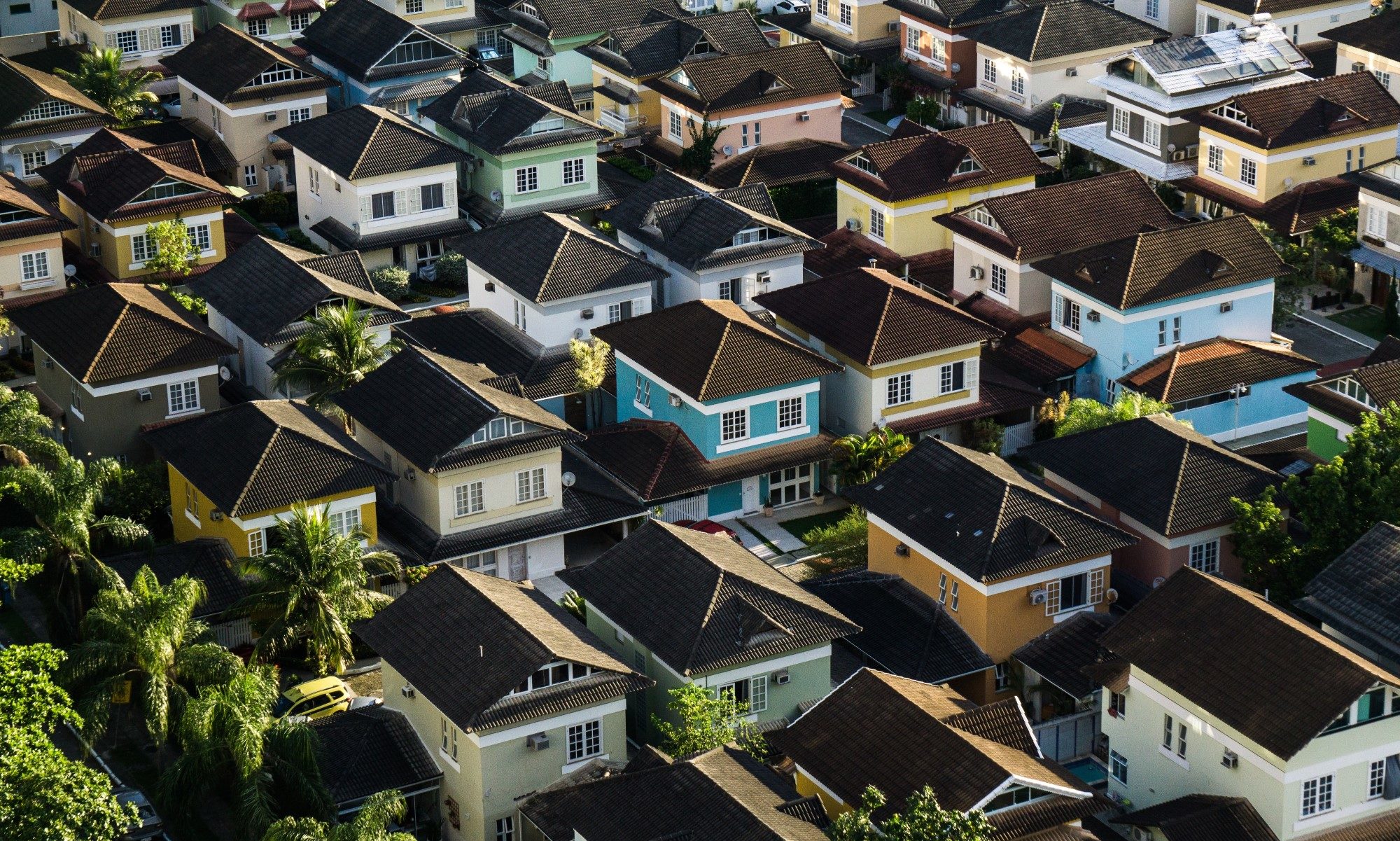
Residential Roofing usually involves sloped roof systems.
Asphalt shingles are common, but homeowners may also have metal, tile, slate, or other roofing materials.
A residential roof replacement can affect the appearance of the entire home. Homeowners therefore need to consider both performance and aesthetics.
The contractor may inspect the existing shingles, flashing, vents, valleys, roof decking, and other components.
If the roof deck has suffered water damage, those areas may need repairs before the new roofing material is installed.
A quality replacement addresses the roofing system as a whole rather than simply covering visible damage.
Choosing the Right Roofing Material
The right roofing material depends on the property.
Homeowners often choose asphalt shingles because they offer a practical combination of cost, appearance, and performance. Metal roofing can provide durability and a different architectural appearance. Tile and slate can offer distinctive looks and long service lives when properly installed.
Commercial buildings have different requirements.
A low-slope commercial roof may need a membrane system or another material appropriate for the building's design.
Climate, roof slope, drainage, building use, budget, and maintenance expectations can all influence the decision.
A roofing contractor should explain the available choices rather than pushing one material without considering the property.
The Roof Inspection Comes First
Before replacement begins, the existing roof should be inspected.
The contractor looks for visible damage and potential problems beneath the surface.
On commercial properties, the inspection may include drainage systems, rooftop equipment, membrane seams, flashing, penetrations, and other components.
For residential properties, the contractor may examine shingles, flashing, vents, chimneys, valleys, gutters, and attic conditions.
The inspection helps establish what work is actually required.
It can also help prevent unpleasant surprises once the old roofing materials are removed.
What Happens During Roof Removal?
The first physical stage of many replacement projects involves removing the existing roofing materials.
For residential projects, this may mean removing old shingles and underlayment.
Commercial projects can involve removing membranes, insulation, flashing, or other roofing components depending on the system.
Once the old material is removed, the contractor can inspect the underlying structure more closely.
Damaged decking or other compromised components may need to be repaired before the new roof goes down.
This stage can reveal problems that were impossible to see during an exterior inspection.
Why Roof Decking Matters
The roof deck provides a foundation for many roofing systems.
If the decking is damaged by prolonged moisture exposure or other problems, installing a new roof over it may create future issues.
Contractors may replace sections of damaged decking as part of the Roof Replacement process.
Homeowners and commercial property owners should ask how these repairs are handled in the estimate.
Some contracts include a specific allowance for damaged decking. Others may address the work differently.
Understanding the agreement before construction starts can make unexpected discoveries easier to manage.
Flashing and Roof Penetrations
Flashing helps protect vulnerable areas where roofing materials meet walls, chimneys, vents, curbs, or other structures.
These locations can be common sources of water intrusion.
During replacement, contractors have an opportunity to inspect and replace deteriorated flashing.
Commercial roofs often have numerous penetrations for HVAC equipment, vents, pipes, and other systems. Residential roofs may have chimneys, skylights, plumbing vents, and other features.
Each penetration needs proper attention.
A new roof can still leak if water is allowed to enter around poorly installed or damaged flashing.
Roof Drainage Is Critical
Water needs somewhere to go.
Poor drainage can leave water standing on a commercial roof or cause water to collect in problem areas around a residential roof.
Commercial Roofing Services may evaluate drains, scuppers, gutters, and other drainage components during a replacement.
Residential properties rely heavily on roof slopes, valleys, gutters, and downspouts to move water away from the structure.
Drainage problems should be addressed as part of the overall roofing plan.
A beautiful new roof will have a hard time performing well if water cannot leave the roof properly.
Considering Energy Efficiency
A replacement project can also be an opportunity to review energy performance.
Roofing materials, insulation, ventilation, and building design can all influence how a property handles heat.
For commercial properties, improved insulation or reflective roofing materials may help with certain energy goals. For homes, proper attic insulation and ventilation can affect indoor comfort and heating and cooling demands.
The right approach depends on the property and local conditions.
Energy improvements should be evaluated alongside the roofing system rather than treated as an afterthought.
Planning Around Weather
Weather can affect any Roof Replacement project.
Rain can delay work. Strong winds can create unsafe conditions. Extreme temperatures may affect certain roofing materials and installation processes.
Commercial property owners also need to think about how weather delays could affect business operations.
Homeowners should prepare for temporary noise, construction traffic, and restricted access around the property.
A good contractor will monitor conditions and adjust the schedule when necessary.
Safety should come before speed.
Comparing Roofing Estimates
Price matters, but it should not be the only factor.
Two roofing estimates can look similar at first while covering very different scopes of work.
Compare the materials, removal process, labor, decking allowances, flashing work, insulation, ventilation, cleanup, warranties, and other project details.
For commercial projects, also consider how the contractor plans to manage business operations during construction.
For residential projects, look at the installation process and the specific materials being proposed.
A detailed estimate makes it easier to compare contractors fairly.
Choosing a Roofing Contractor
The contractor performing the work can have a major impact on the final result.
Look for appropriate licensing where required, insurance coverage, relevant experience, and a history of completed projects similar to yours.
Ask questions before signing an agreement.
Who will perform the installation? What materials will be used? How will unexpected damage be handled? What warranties are included? How will the property be protected during construction?
Good communication is a valuable sign.
A contractor should be willing to explain the work in straightforward language.
Maintaining the New Roof
Replacement does not eliminate the need for maintenance.
Commercial property owners should schedule regular roof inspections and keep drainage systems clear. Rooftop equipment and other building systems should also be monitored so maintenance work does not accidentally damage the roof.
Homeowners should inspect their roofs after severe weather and watch for missing shingles, damaged flashing, clogged gutters, or signs of moisture inside the home.
Small problems are generally easier to address than major failures.
Regular maintenance can help extend the useful life of a new roofing system.
Final Thoughts on Roof Replacement
A roof replacement is a significant investment, whether the property is a family home or a large commercial building.
The process begins with an inspection and continues through material selection, preparation, removal, repairs, installation, cleanup, and final review.
Commercial Roofing Services can help businesses address the specialized needs of large or low-slope roofing systems. Residential Roofing contractors can help homeowners select and install materials appropriate for their homes.
The best project starts with accurate information.
Understand the condition of your existing roof. Compare the available materials. Review estimates carefully. Ask questions about warranties and unexpected repairs.
Most importantly, do not wait for a small roofing issue to become a major interior problem.
A well-planned Roof Replacement can provide reliable protection and give property owners greater confidence in the condition of the building above their heads.
Tool by Chris Hunter, author of "The Ultimate Guide to Digital Marketing for Roofers"